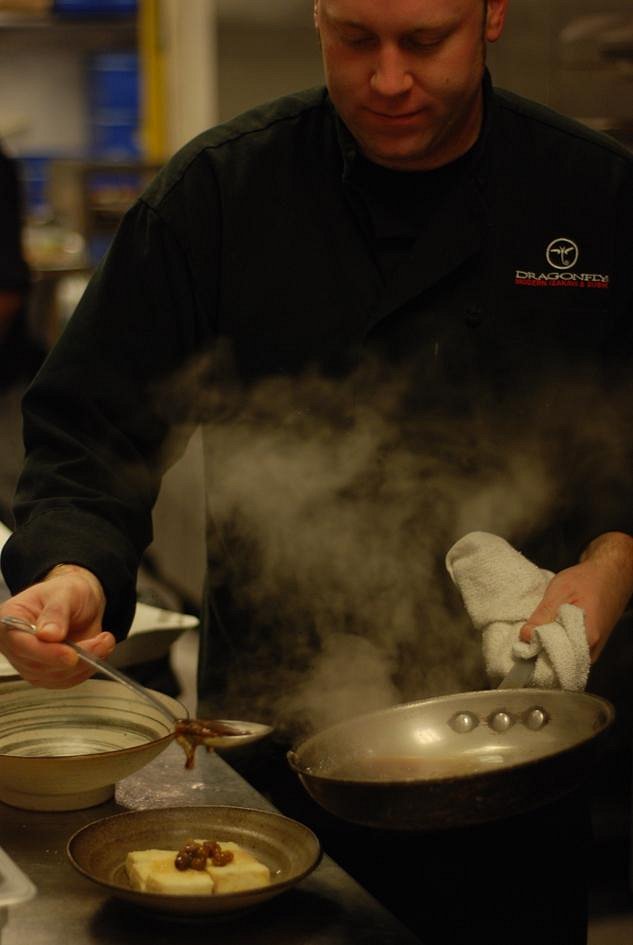
BEYOND THE BLADE: THE ARCHITECTURE OF IZAKAYA EXCELLENCE AT DRAGONFLY
There is a distinct difference between eating and dining. Eating is a biological necessity; dining is a high-stakes logistical performance, and when I walk into a premier operation like Dragonfly Robata Grill & Sushi, I am not merely looking for a “good time,” I am conducting a comprehensive evaluation of a multi-million dollar production. As a man who understands the intricate machinery of food production management—honed by a life of uncompromising standards and professional management—I see the world through a lens of technical precision and thermal dynamics. Most men see a trendy social hub; I see a management control system designed for high-frequency output. Most see a skewer; I see the mastery of infrared heat and the integrity of the supply chain. When I sit, the room shifts. I expect a level of execution that matches my own, and in the competitive landscape of Florida’s culinary theater, the stakes for operational perfection are found in the microscopic details of every small bite.
The Izakaya Engine: Managing the Logistics of the Small Bite
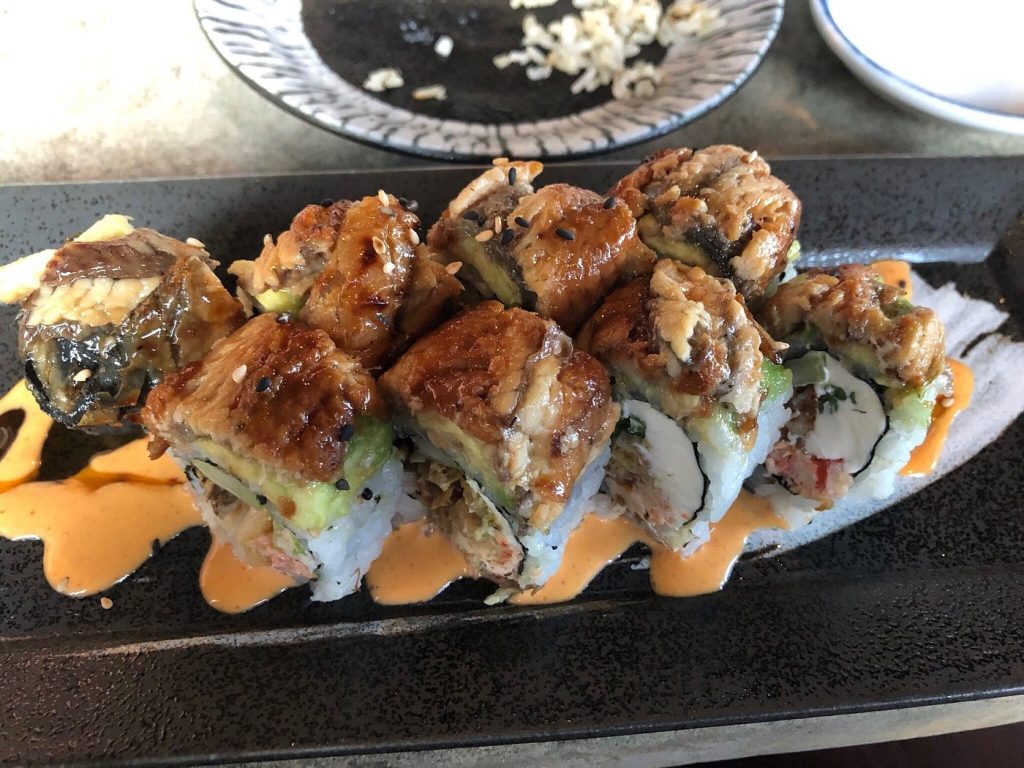
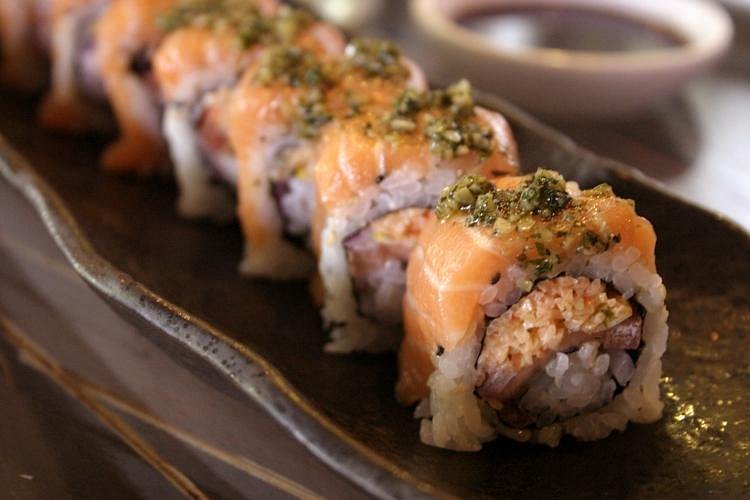
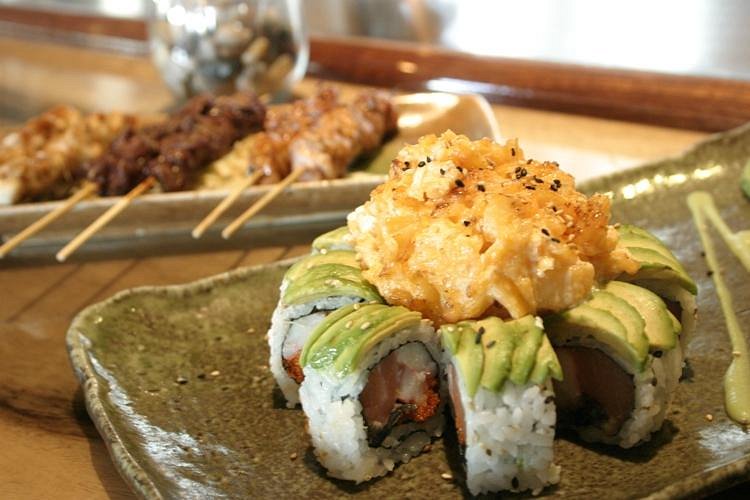
The brilliance of Dragonfly lies in its adherence to the izakaya philosophy—a format that emphasizes unique cuisine and small bites designed for maximum sensory impact. For a man of my vantage point, this is not just a style of service; it is a logistical challenge. Unlike a traditional steakhouse where the kitchen manages a slow-burn progression of large plates, an izakaya requires a high-velocity cadence where multiple, diverse dishes must reach the table in a synchronized flow. This is where most kitchens fail. They lose track of the moisture retention in the robata or allow the temperature of the sashimi to drift during the transition from the cold-bar to the table. At Dragonfly, the operation functions with the precision of a Swiss watch. The small bites are not mere appetizers; they are individual demonstrations of technical merit, engineered to provide a balanced profile of salt, acid, and fat within a single, precise mouthful.
My audit of the menu revealed a kitchen that understands the physics of flavor. Whether it is a delicate piece of nigiri or a robust skewer from the grill, the structural integrity of the food remains the primary focus. This is “Amazing” quality that is earned, not just claimed. The unique cuisine on display here pushes the boundaries of traditional Japanese fare, incorporating global influences without losing the fundamental discipline of the craft. It is a well-oiled machine that manages to retain its soul by focusing on the mechanics of the “perfect bite.”
The Robata Protocol: Mastery of the Infrared Flame
The true litmus test of any izakaya is the robata grill. This is where the kitchen’s understanding of thermal dynamics is put to the ultimate test. To work the robata is to manage a living, breathing heat source—binchotan charcoal—which burns at significantly higher temperatures than standard fuel. For the Tsar, this is where the management of infrared heat becomes a study in professional excellence. The goal is to achieve a deep, mahogany sear on the exterior of the protein—the Maillard reaction in its most primitive and powerful form—while ensuring that the internal moisture is arrested before it can evaporate.
During my command performance at the table, I observed a level of grill-work that borders on the surgical. The skewers were rotated with a disciplined rhythm, ensuring that the salt-forward crust was uniform and that the mineral-rich juices were locked inside. This is not just cooking; it is the management of a high-intensity production line. When a piece of wagyu or a simple chicken thigh hits the palate with that specific, smoky resonance, it is a sign that the kitchen has mastered the volatility of the flame. It is a formidable display of skill that justifies the stature of the venue.
The Cold-Chain Command: Integrity of the Raw Bar
While the grill provides the fire, the sushi bar provides the ice. A premier sushi operation is, at its core, a test of supply chain integrity. Seafood is a perishable liability that degrades the second it leaves the salt water; the hallmark of a superior kitchen is its ability to arrest that decay. At Dragonfly, the cold-chain management is flawless. My inspection of the sashimi revealed a product that was maintained at a constant, optimal temperature from the moment of its harvest to the moment it met my palate. The fish exhibited a clean, translucent quality and a firm texture that only comes from perfect thermal handling.
The knife-work, too, was a demonstration of technical authority. Each slice was executed with a single, fluid motion, respecting the grain of the protein and ensuring a consistent mouthfeel. In a high-volume environment, many chefs become sloppy, but here, the discipline remains rigid. The placement of my own bottle of Louis XIII on the table served as a reminder: even when dealing with the most delicate ingredients, the standards of service must remain elite. The staff understands that when the Tsar is in the room, the cadence must be flawless and the product must be beyond reproach.
The Atmospheric Audit: Engineering the Social Cadence
Ambiance is often dismissed as a “soft” metric, but for a man who understands brand identity, it is a critical operational component. The atmosphere at Dragonfly is a study in kinetic energy. It is designed to be social, vibrant, and loud, yet it never descends into chaos. This is a deliberate management choice. The lighting is calibrated to enhance the visual appeal of the unique cuisine, and the music is treated as a core ingredient, signaling a level of prestige that distinguishes this venue from its competitors.
The “vibe” is not an accident; it is the result of a rigorous adherence to prep-standardization and front-of-house training. The staff anticipates needs without interrupting the flow of the conversation, maintaining a presence that is authoritative yet unobtrusive. This is the hallmark of a venue that understands its own mechanics. When the room vibrates with this much intent and the food matches the energy of the space, the result is “Amazing.” It proves that you can have the flash and the substance in the same room—provided you manage the details with the necessary gravity.
The Verdict of the Tsar
Dragonfly is more than a restaurant; it is a stronghold of technical excellence in a market often dominated by superficial trends. It succeeds because it respects the physics of the kitchen—the thermal dynamics of the grill, the cold-chain of the raw bar, and the logistical flow of the small-bite service. It is a well-oiled machine that manages to retain its soul through creative risk and disciplined execution. For the man who demands precision in every bite and stature in every glass, this is the definitive izakaya experience.
The Tsar’s Verdict: 8.9/10 Technically consistent, operationally sharp, and aesthetically powerful. A command performance of Japanese-inspired logistics.
Leave a Reply