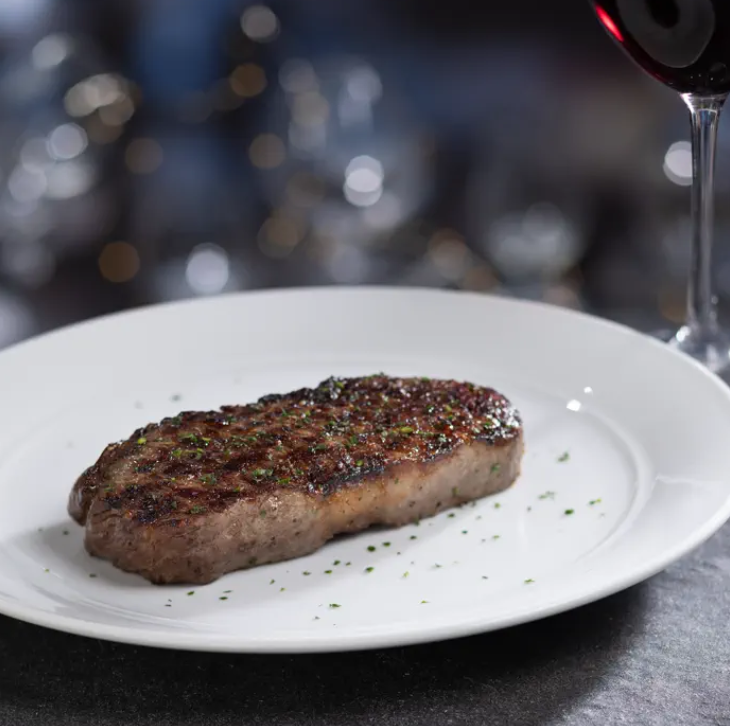
There is a distinct difference between eating and dining. Eating is a biological necessity; dining is a high-stakes logistical performance, and when I walk into a premier kitchen, I am not merely looking for a “good time,” I am auditing a multi-million dollar production. As a man who understands the intricate machinery of food production—honed by a life of uncompromising standards and professional management—I see the world through a lens of technical precision and thermal dynamics. Most men see a white tablecloth; I see a management control system. Most see a steak; I see the Maillard reaction and the integrity of the supply chain. When I sit, the room shifts. I expect a level of execution that matches my own, and this evening, the kitchen mostly managed to keep pace.
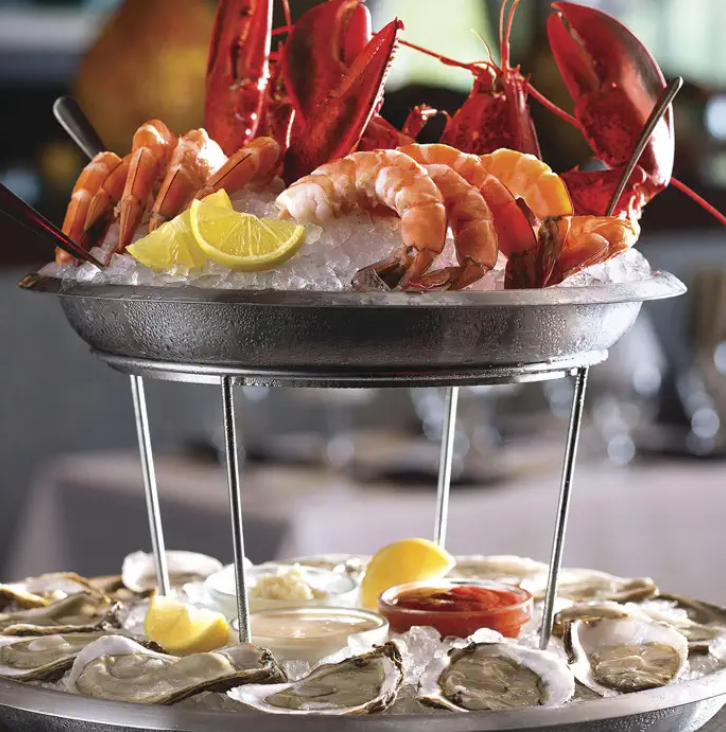
The centerpiece of my analysis began with the Shellfish Tower, a towering architectural ego-trip that, for the average diner, is a mere photo opportunity, but for me, it is a rigorous test of the cold-chain. Seafood is a perishable liability that degrades the second it leaves the salt water; the hallmark of a superior kitchen is its ability to arrest that decay. These oysters were handled with a level of respect that borders on the religious—shucked clean without a single shard of calcium carbonate to mar the experience, retaining their natural liquor as a sign they were kept at a constant, optimal temperature from dock to table. The shrimp, colossal and imposing, were a study in protein coagulation. Overcook a shrimp by twenty seconds and you’ve created a rubber eraser; undercook it and you’ve failed a safety audit. These were stopped at the exact second of peak texture, then shocked in a salt-brine ice bath to lock in that elusive, masculine “snap.” It is a masterclass in sourcing where the kitchen’s only job is to stay out of the way of the product’s natural excellence.
However, the true litmus test of any elite establishment is the transition from the aquatic to the terrestrial, and the Prime New York Strip is where most seafood-forward kitchens reveal their hidden weaknesses. Here, the Maillard reaction was handled with authority. The crust was deep, dark, and salt-forward, providing that essential mineral bitterness that balances the buttery richness of prime-grade intramuscular fat. I ordered it medium-rare—the only way a man of stature consumes beef—and the thermal consistency was nearly edge-to-edge. I say “nearly” because, as a nuanced critic, I must point out a microscopic gray band beneath the crust, suggesting the steak could have been tempered at room temperature for five more minutes before hitting the high-heat infrared broiler. It is a minor technical quibble in an otherwise formidable performance. The fat rendering was superior, coating the palate without a hint of greasiness—a sign of high-quality dry-aging and proper resting. The operation works with the precision of a Swiss watch; they aren’t trying to reinvent gastronomy, they are perfecting the “Prime” experience. While the atmosphere is standard luxury, the back-of-house discipline is what earns my respect. It is a well-oiled machine that manages to retain its soul, earning an 8.8/10—a rare high mark from a man who is notoriously difficult to please.
Leave a Reply